
Key audit risks for mining companies
What are the key audit risks for mining companies?
Some of the key challenges and key audit matters that come up regularly on our mining audits are outlined below, you can also verify this by reading the Key Audit Matters publicly disclosed in the audit reports of our AIM listed plc mining clients:
Exploration and evaluation
There is a risk that costs are not correctly capitalised as assets in accordance with IFRS6 exploration and evaluation s8-9. We review expenditure within both fixed assets and the P&L to ascertain whether they meet the criteria to be capitalised as exploration and evaluation assets, such as:
(a) acquisition of rights to explore;
(b) topographical, geological, geochemical and geophysical studies;
(c ) exploratory drilling;
(d) trenching;
(e) sampling; and
(f) activities in relation to evaluating the technical feasibility and commercial viability of extracting a mineral resource.
Development of the mine
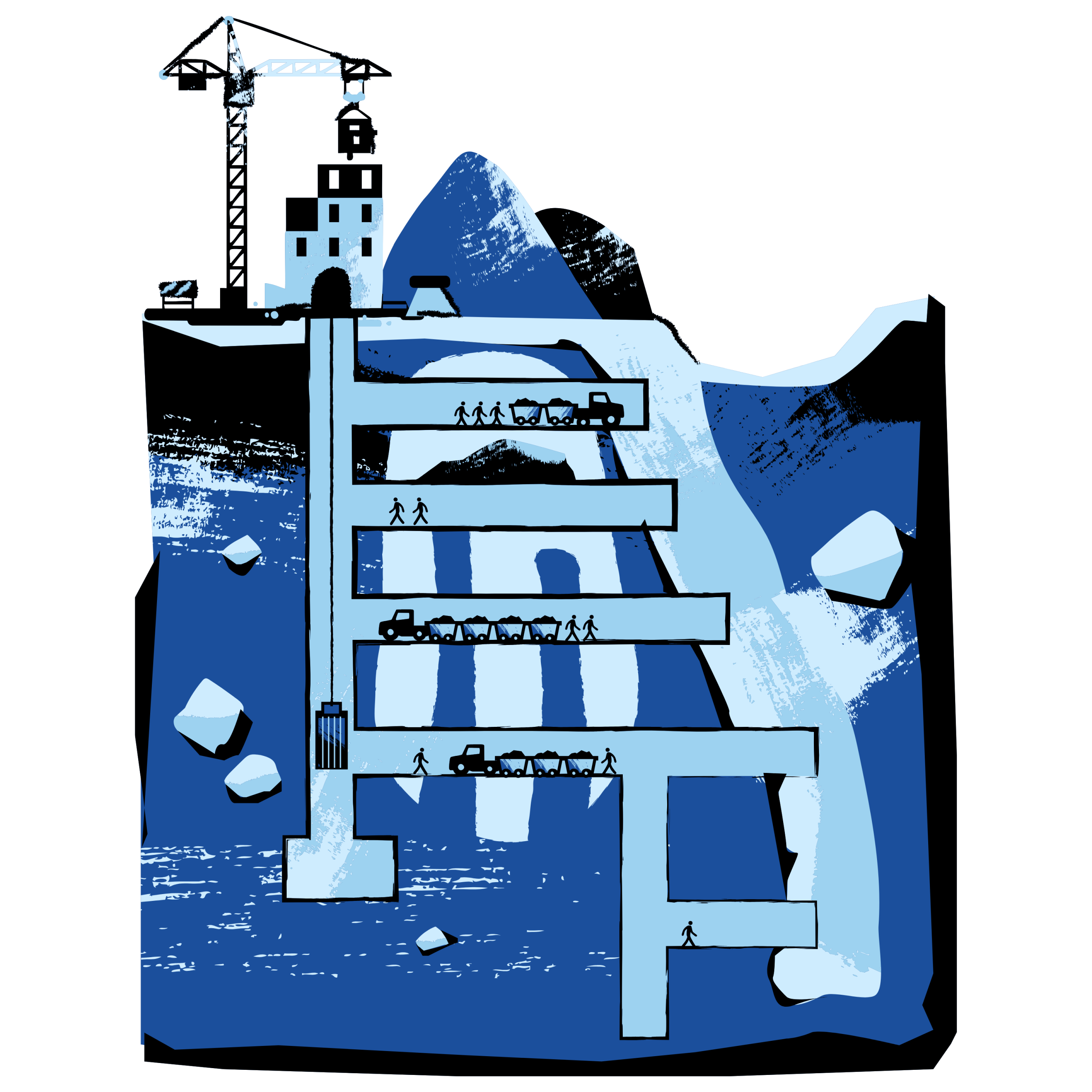
Once drilling and studies etc have shown that its commercially viable for mining, work may be needed to develop the mine. We would need to check that these costs are not capitalised within exploration and evaluation.
We understand that mining is not an easy industry and sometimes things don’t go to plan. So we’d need to look into any the reasons for significant delays in developing a mining project or commencing production and how they’re being resolved.
Extraction of mineral resources
Once production has started we’d need to check that the capitalised assets are being correctly depreciated or amortised in line with the depletion rates.
For risky materials such as gold we’d also need to perform anti money laundering testing to check that all the import/export and local taxes etc. are properly paid and everything is well documented.
End of Life
If the land is damaged during mining, then the local authorities are likely to require rehabilitation of the surrounding area. At the end of the mine’s life there could also be significant decommissioning costs involved to safely dismantle the mining site. We would check the estimated costs of these, and review any Environmental/Social plans and review if there are sufficient provisions recognised, check the calculations for discounting and present value etc.
Impairment testing
There is a risk that the carrying amount of capitalised mining project costs under IFRS6, Intangibles IAS38 or Tangibles IAS16 is less than than the fair value less costs to sell or the value in use. For early stage projects, we would review the latest results of sampling/studies and geologist reports and consider if there are any factors which suggest impairment or that the resources are not as expected or too difficult/costly to extract. For developed or producing assets we would need to review the discounted cashflows and their net present value and corroborate and challenge the key assumptions.
Physical assets
We may also need to visit the site or alternatively work with local component auditors, in order to verify that the assets exist and to see the mine with our own eyes. If there is ROM (Run-of-Mine) extracted from the mine, then a year end inventory count may also be needed.
Laws and regulations
We would need to confirm that the Group has good title to the applicable exploration and mining licences or permits and whether they are in compliance with local rules and regulations.